
- Thermoplastic polyester elastomer (TPEE, also known as thermoplastic polyester rubber): a linear block copolymer composed of a crystalline polyester hard segment with a high melting point and high hardness and an amorphous polyether ester soft segment with a low glass transition temperature; according to the different soft segment structures, it can be divided into polyether TPEE (TPC-ET) and polyester TPEE (TPC-ES). Among them, the hard segment is usually PBT, etc., which gives TPEE high strength, high heat resistance, creep resistance, solvent resistance and other properties; the soft segment is usually PTMG, etc., which is an amorphous structure and is in a high elastic state at room temperature. Therefore, TPEE has many excellent properties of rubber and engineering plastics, and can adapt to the needs of different scenarios by adjusting the structure and proportion of the hard segment and the soft segment.
- Thermoplastic elastomers can effectively replace non-tire rubber products. Traditional rubber product processing has high energy consumption, high pollution, high residue, molds, low efficiency, and difficult recycling, which restricts its feasibility and economy in certain fields. Thermoplastic elastomers can effectively solve the shortcomings of traditional rubber product processing, and are used in the field of non-tire rubber products to replace traditional thermosetting rubbers, and can be recycled repeatedly.

- Features and advantages:
1. High elasticity & flexibility /Good resilience (recoverable deformation), low compression set, suitable for dynamic load scenarios.
2. High temperature resistance / Long-term use temperature range: -50℃ ~ 120℃, short-term resistance to 150℃ (such as automobile engine compartment parts).
3. Chemical corrosion resistance / Oil-resistant, acid-resistant, alkali-resistant, hydrolysis-resistant (better than TPU), suitable for harsh environments.
4. High mechanical strength / Tear-resistant, abrasion-resistant (better than TPV), tensile strength can reach 30-50MPa.
5. Easy processing /Can be molded by injection molding, extrusion, blow molding, high production efficiency, recyclable.
6. Environmental protection and safety /No plasticizer, compliant with RoHS, REACH and other regulations, some grades can be used for food contact.
TPEE
TPEE Thermoplastic Polyester Elastomer 008
- Application areas:
– Automotive industry:
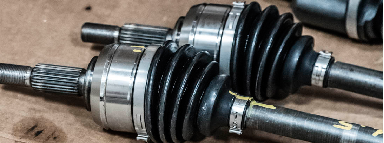
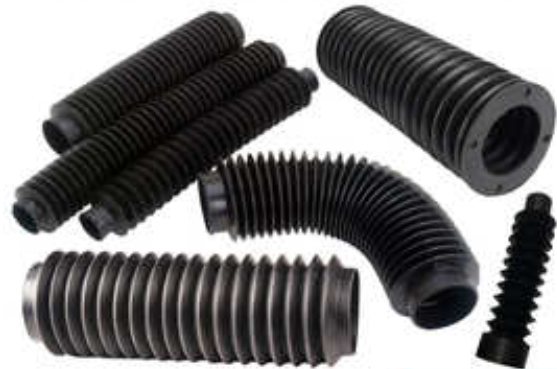
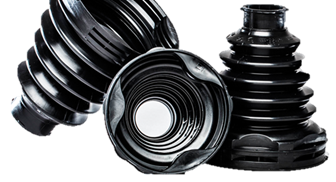
Dust covers, sealing strips, shock-absorbing pads, harness sheaths (high temperature + oil resistance).
New energy vehicle battery pack seals (flame retardant requirements V0 level).
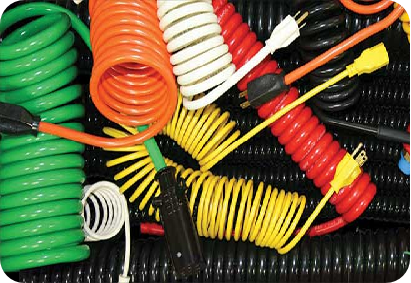
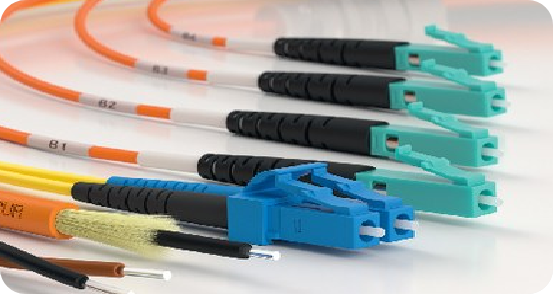
– Electronic appliances: mobile phone/earphone holders, charging cable sheaths (bending fatigue resistance).
– Industrial parts: hydraulic hoses, conveyor belts, gears (wear resistance + chemical resistance).
– Consumer goods: sports equipment grips, shoe midsoles (lightweight + high elasticity). - Product advantages:
– Replacement of traditional materials: easier to process than rubber, more resistant to high temperatures than TPU, and stronger than TPV.
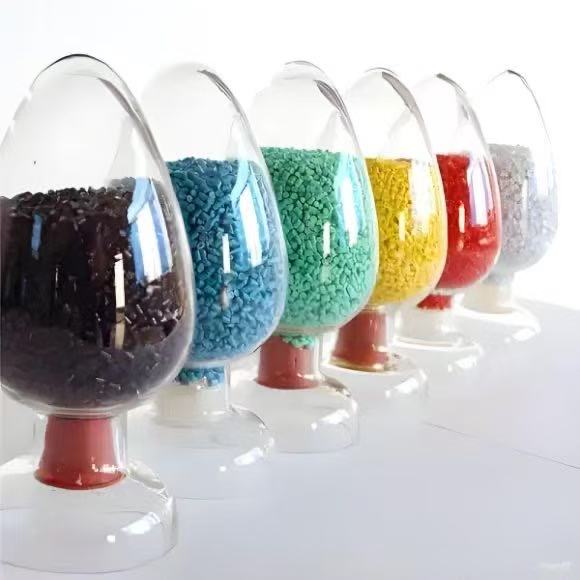
– Customized service: adjustable hardness, color (transparent/solid color), flame retardant/UV resistance and other properties.
– Sustainability: support recycling and reuse, and reduce industrial waste.