
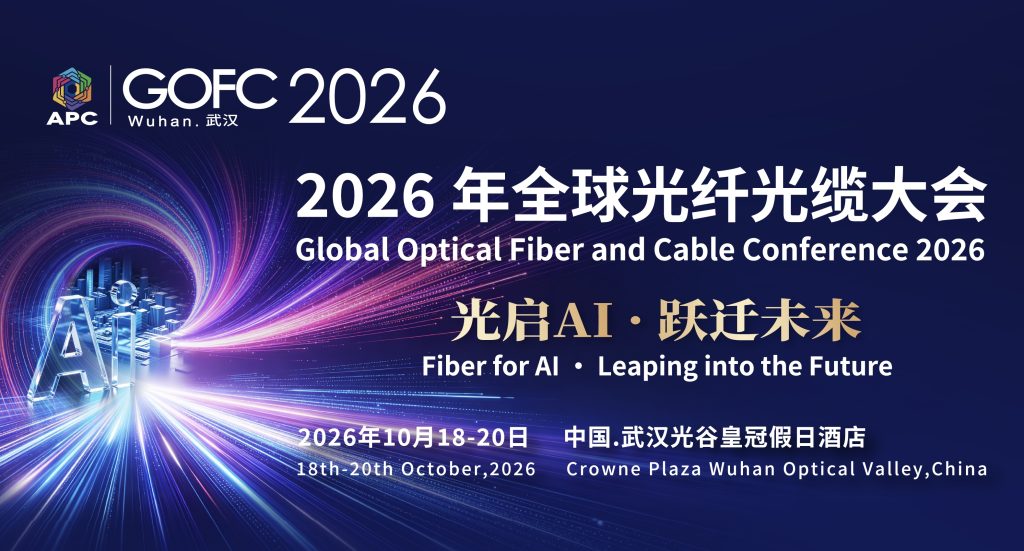
The 2026 Global Optical Fiber and Cable Conference (GOFC 2026), held in Wuhan from October 18 to 20 under the theme Fiber for AI · Leaping into the Future, brought the physical foundations of the AI era into sharp focus. For cable manufacturers and their material partners, that conversation matters: the performance of an optical fiber network depends not only on transmission technology, but also on the cable systems and Supply Chain behind it.
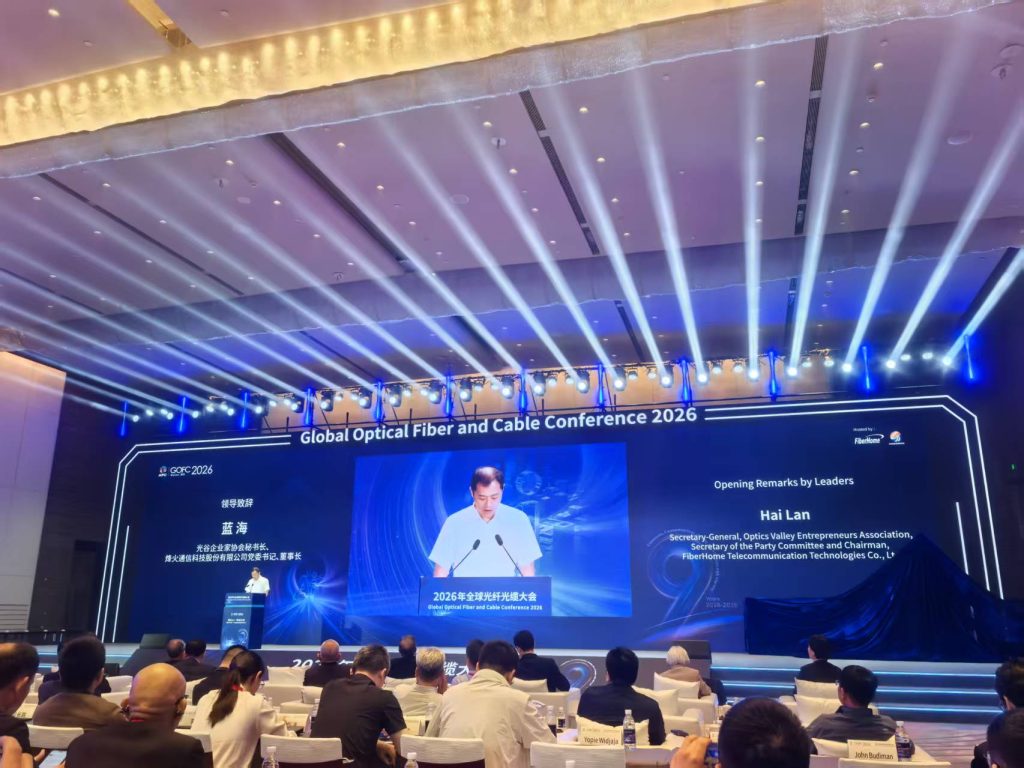
Opening session at GOFC 2026. Photo provided by ZAICCI; conference branding is visible.
AI Infrastructure Starts With Physical Connectivity
AI workloads are increasing the need for high-capacity connections inside data centers, between computing sites, and across metropolitan, backbone, and submarine networks. GOFC 2026 brought these connected layers together, with discussions spanning AI optical interconnection, next-generation optical fiber and cable technology, marine communications infrastructure, and supply-chain collaboration.
That broad view is useful for the telecom industry. As network architectures evolve, the question is not simply how much bandwidth is required. It is also how reliably cable systems can be manufactured, installed, protected, and supported through their operating life.
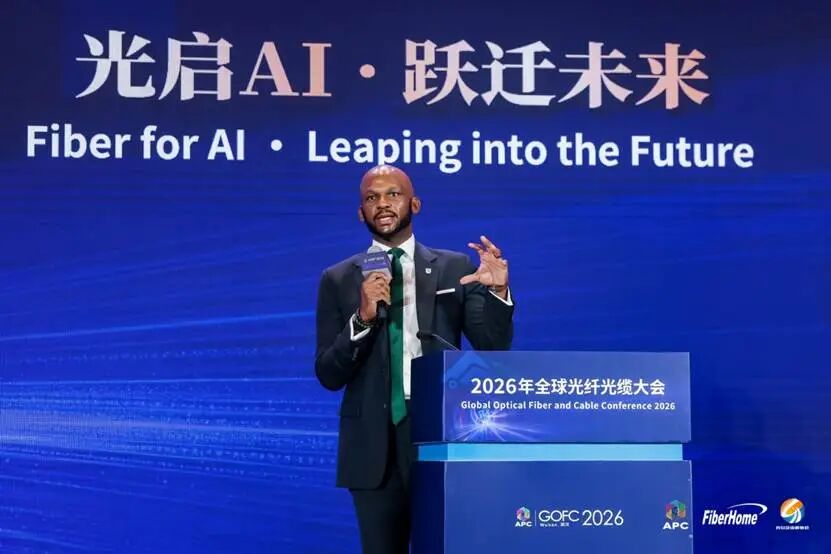
Fiber for AI conference session at GOFC 2026. Photo provided by ZAICCI; conference branding is visible.
A New Chapter for Optical Fiber Technology
The conference also marked the 50th anniversary of China’s first telecom optical fiber. Public post-event reporting stated that a new international standard for weakly coupled single-mode multi-core fiber was released during the event. The development points toward continuing work on higher-capacity optical transmission for applications such as AI data-center interconnection, high-capacity submarine cable systems, and advanced multiplexing architectures.
For the wider optical fiber ecosystem, new transmission technologies raise the importance of coordination across the entire value chain. Fiber, cable design, accessories, installation conditions, and material selection must be considered as connected engineering decisions rather than isolated inputs.
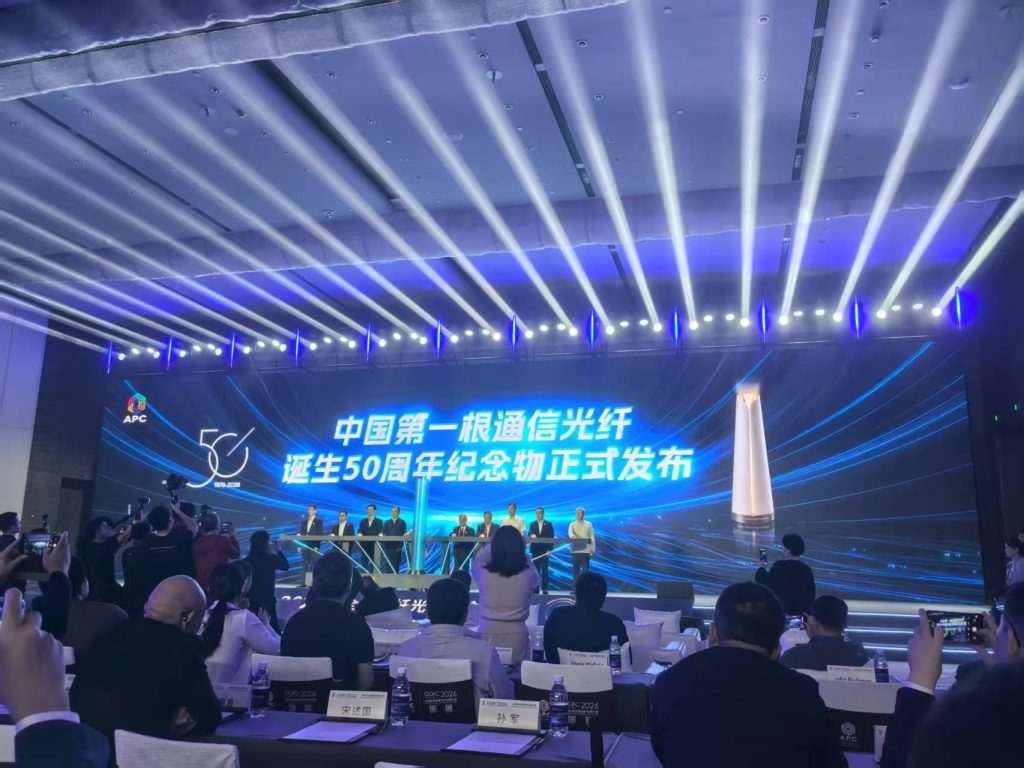
Ceremony marking the 50th anniversary of China’s first telecom optical fiber. Photo provided by ZAICCI; conference branding is visible.
What This Means for Cable Jacket Material Supply
For manufacturers of optical fiber cable, PE optical fiber cable sheathing materials are part of the system that protects the finished product through processing, handling, installation, and service conditions. In an environment shaped by denser networks and more demanding deployment scenarios, material discussions should remain practical and application-specific.
Useful conversations between cable makers and material suppliers include:
- the cable construction and intended installation environment;
- processing consistency and the requirements of the manufacturing line;
- relevant standards, test methods, and documentation;
- the continuity, traceability, and responsiveness needed across the Supply Chain.
These are not one-size-fits-all requirements. They are the working details that help translate a telecom design into repeatable cable production, supported by the right materials portfolio and technical coordination.
Building a More Connected Supply Chain
The themes at GOFC 2026 underline a simple industry reality: as optical networks support more of the digital economy, dependable collaboration becomes more valuable. From optical fiber technology to cable protection and manufacturing materials, each link in the chain contributes to the quality and availability of the final system.
ZAICCI works with global cable manufacturers on cable jacket material discussions from the perspective of application fit, processing needs, and supply continuity. Our technical service approach starts with the cable application and manufacturing context. We welcome a technical conversation about your next optical fiber cable project.
Contact ZAICCI to discuss cable jacket material requirements for your optical fiber cable program.
Editorial note: Conference facts in this article are based on public reports from the organizers and industry media. ZAICCI was not an organizer, participant, or publisher of the conference’s technical outcomes.